What a first day cover is
An envelope carrying a new stamp, postmarked on the first day it was valid. From the 1960s the Post Office sold special envelopes and postmarks for every issue, and collectors bought them by the thousand. That is the problem: almost every cover from the 1960s onwards was made to be kept, was kept, and exists in quantity.
What the common ones are worth
A box of Royal Mail covers from 1970 to the present sells at auction for roughly the cost of the stamps as postage, less a discount, plus a small amount for the better-known issues. A single cover from that period is worth £1 to £5 to a dealer. Albums of them sell as one lot. Sentimental value is real; market value is not.
The ones worth checking
| Cover | Why it matters |
|---|---|
| Anything before 1953 | Made in small numbers by collectors, not sold by the Post Office |
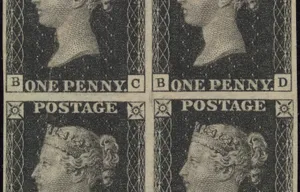
| 1840 to 1841 Penny Black and 2d Blue covers | The first stamps on their original envelopes, priced by date and condition |
| Wartime and early airmail covers | Postal history collectors buy for the route and the postmark |
| Covers with rare postmarks or cachets | A special handstamp or a scarce sorting office |
| Signed covers | Signed by someone connected to the issue, with a guarantee |
| Covers with errors on the stamps | Missing colours and inverted watermarks are worth more on cover |
The 1840 covers belong with the stamp rather than the envelope, and the Penny Black guide explains what the margins, plate and cancel do to the price.
What the better covers make
| Cover | Illustrative hammer |
|---|---|
| Royal Mail cover, 1970s to 2000s, single | £1 to £5 |
| 1953 Coronation cover with a special handstamp | £15 to £50 |
| 1937 Coronation or 1940 Stamp Centenary cover | £20 to £80 |
| Pre-1953 cover with a scarce cachet or postmark | £50 to £300 |
| Penny Black on cover, May 1840 | £500 to £3,000; a 6 May 1840 first day cover is a five-figure rarity |
These are illustrative ranges for sound examples, and the price records show recent hammer prices.
How to check a box quickly
Sort by decade. Everything from 1970 onwards goes in one pile and is valued by weight. Anything earlier goes in a second pile for a specialist to look at, photographed front and back. The collection guide explains where to send the photographs.
How to sell first day covers
A box of modern covers sells as one lot, either to a dealer or in a general saleroom, and the figure is set by the number of albums rather than by any cover in them. Pre-1953 covers, and anything with a scarce postmark, are lotted individually at a stamp auction where postal history collectors bid. Below about £100 in total a dealer’s offer is the better route, since the auction charges take most of a small sum.