The floor: bullion
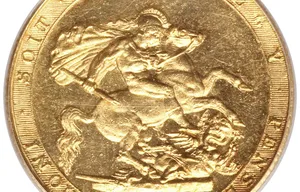
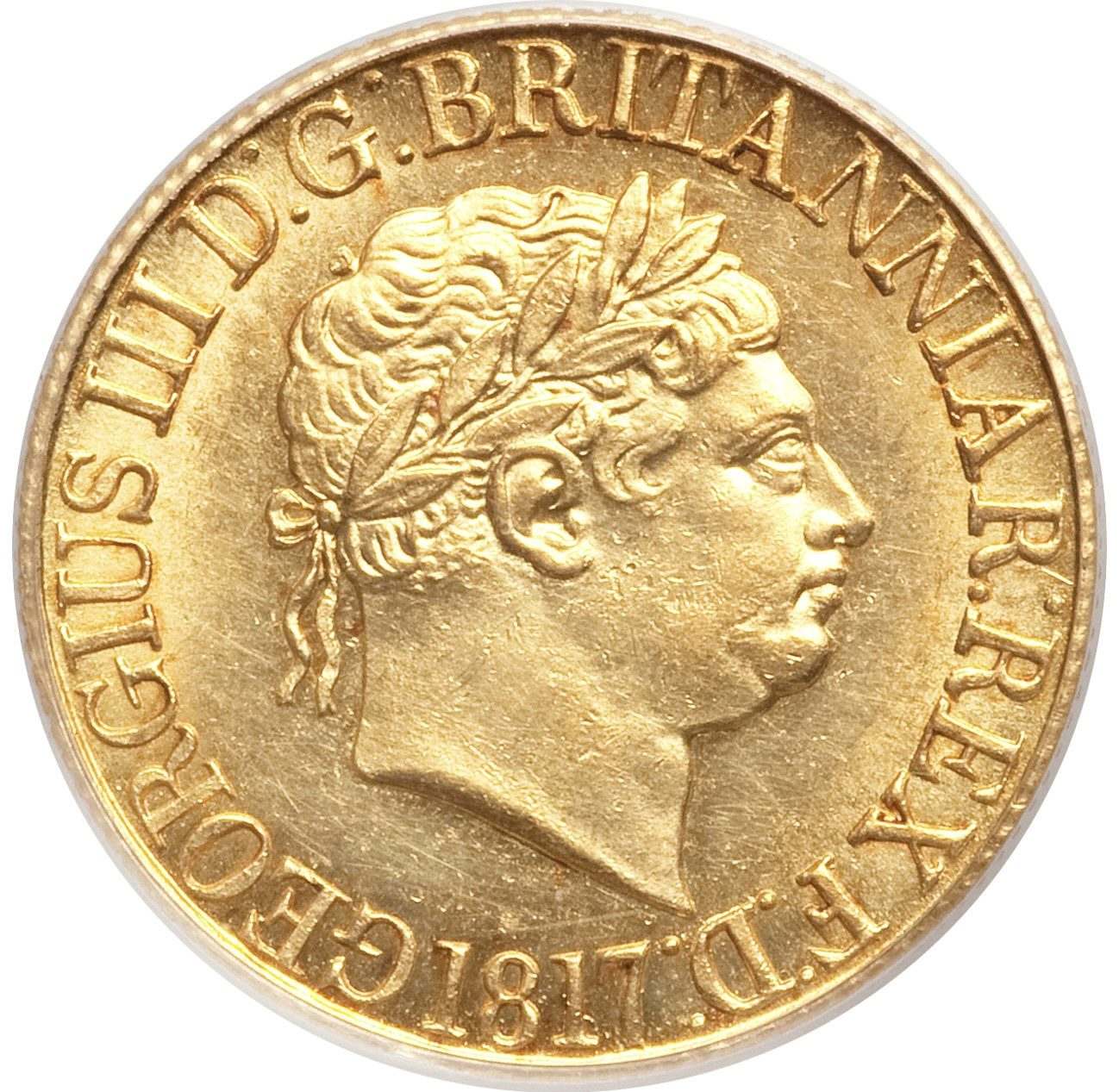
A sovereign weighs 7.98 grams and is 22 carat, so it contains 7.32 grams of fine gold. Multiply that by the gold price per gram on the day and you have the bullion value, which is the least any dealer will pay. Half sovereigns hold half that. This has been the specification since the modern sovereign was introduced in 1817, with Benedetto Pistrucci’s St George and the dragon on the reverse, and the Royal Mint still strikes it to the same standard.
Most sovereigns sell for bullion value plus a small premium. The rest of this guide is about the ones that do not.
The dates that matter
A few dates are scarce because few were struck or few survived. These are the ones dealers check first.
| Date | Why |
|---|---|
| 1817 to 1820, George III | The first modern sovereigns, collected as such |
| 1819 | Very few struck; one of the rarest British coins |
| 1838 to 1841, Victoria young head | Early Victorian issues with low mintages |
| 1841 | Scarce |
| 1917 London | Almost the whole mintage was melted; the London 1917 is a rarity, though 1917 coins from other mints are common |
| 1937 | Struck only as proofs for the coronation |
| 1989 | 500th anniversary design, proof only |
A common date in worn condition is a bullion coin. A rare date in any condition is a numismatic coin and needs a specialist.
Mint marks
From 1871 sovereigns were also struck in Australia, and later in Canada, India and South Africa. The mint mark sits on the reverse, on the ground beneath the horse, or on the obverse below the bust on shield-reverse coins.
| Mark | Mint |
|---|---|
| None | London |
| S | Sydney |
| M | Melbourne |
| P | Perth |
| C | Ottawa |
| I | Bombay, 1918 only |
| SA | Pretoria |
Some combinations of date and mint are scarce where the date alone is not. Reference catalogues list them.
Shield versus St George
Victoria’s sovereigns from 1838 to 1887 were struck with two reverses: the royal shield, and Pistrucci’s St George. Shield reverses are collected by die number and are scarcer in high grade, and some carry a premium.
Grade
Grade is the other half of the price for anything above bullion. A sovereign that has been in a pocket for a year is worn and worth its gold. The same coin uncirculated, with full lustre and no contact marks, is worth several times as much for many dates. The grading guide explains the terms, and the one rule that matters here: never clean a gold coin. A polished sovereign is a bullion coin whatever its date.
Selling
For common dates, a bullion dealer pays close to the gold value on the day. For rare dates, mint mark varieties and high-grade coins, a coin auction or a specialist dealer is the route, and the price records show what recent examples have made. The rest of the tin is covered in the old coins guide.